
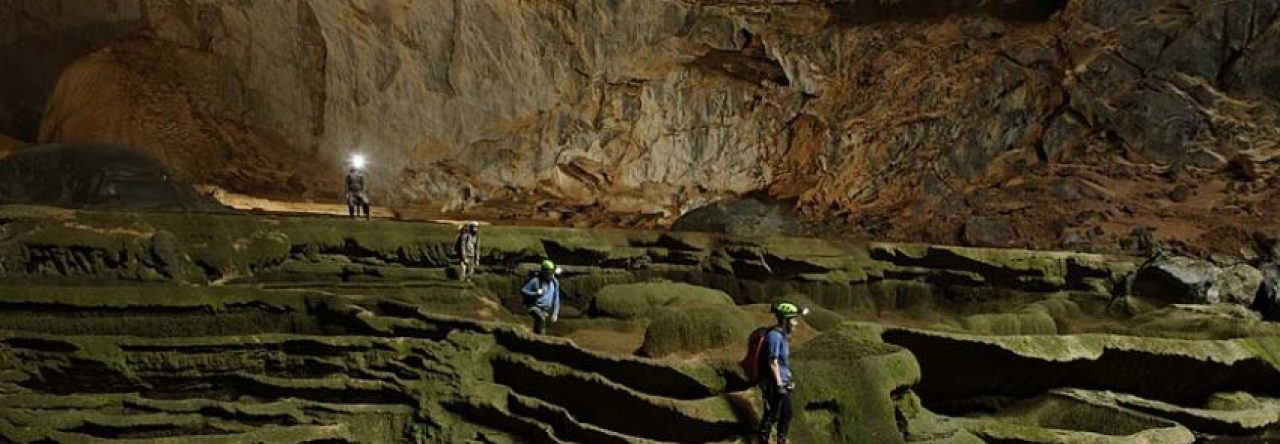

Old Oyo
in southwest Nigeria is a said to be the former city of Oyo (known as Oyo-Ile), which was deserted in the 18th century after a war with Hausa/Fulani raiders. The site lies within the confines of Old Oyo National Park, and on it are the ruins of buildings built by people who lived there in the past, such as the old palace compound, outer walls with ditches and a water reservoir. There are also wells, cisterns, and grinding hollows which are proof of an extensive past settlement. Within the park is also the famous Agbaku Cave, which served as shelter for the ancient warriors of the Oyo-Alaafin Kingdom during times of war.
during times of war.
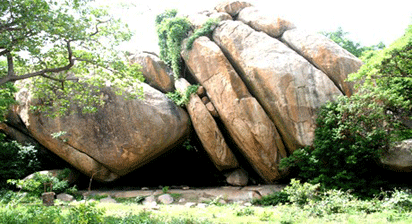
CHECK OUT THIS COOL ROCK FORMATION – DARK AGBAKU CAVE IN OYO STATE! ———————————————————————————-
Like slices of well baked bread, giant slabs and boulders of bronzed igneous rocks pile and lean against one another, forming a picturesque cavern: all set in the heart of old Oyo National Park, Oyo state, SW Nigeria.
Sempiverent vegetation soaring high above, squirrels skipping from tree to tree, beautiful birds chirruping at canopy tops, colorful agama lizards nodding to the rhythms of the whistling wind and whispers of ancient Oyo warriors from the belly of the cave; together, make this site so enchanting and awe-inspiring to its visitors.
It was said that Agbaku Cave served as shelter for the ancient warriors of Oyo-Alaafin Kingdom during times of war. The cave is also believed to have Archaeological relics of significance.
Old Oyo national park came into existence as a result of the merger between the erstwhile Oyo-Ile Forest Reserve and Upper Ogun Game Reserve in 1991. It has a land mass of 2, 512 kilometers and boasts of various plant and animal species among which cobs are most prominent.
Other attractions at the park include the ruins of the former administrative capital of Oyo-Ile Empire, relics of the ancient city wall, Kosomonu Hill, the water reservoir, the Old Akesan Market site as well as the Palace. The park also has a number of tourist chalets at Sepeteri and Ibuya base camps. ———————————-


Ogbunike Caves
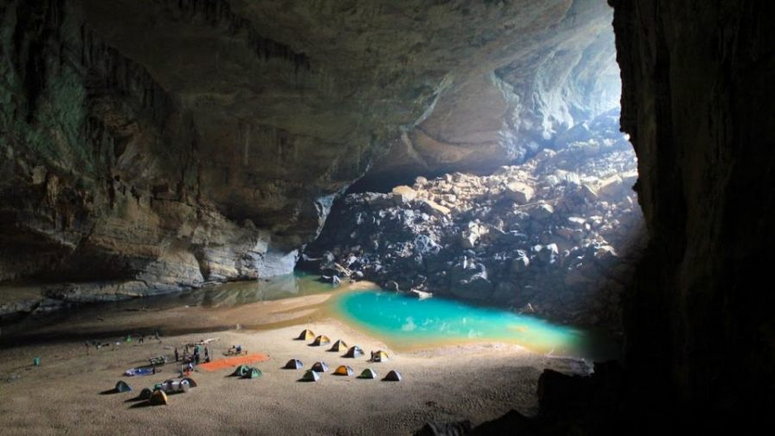
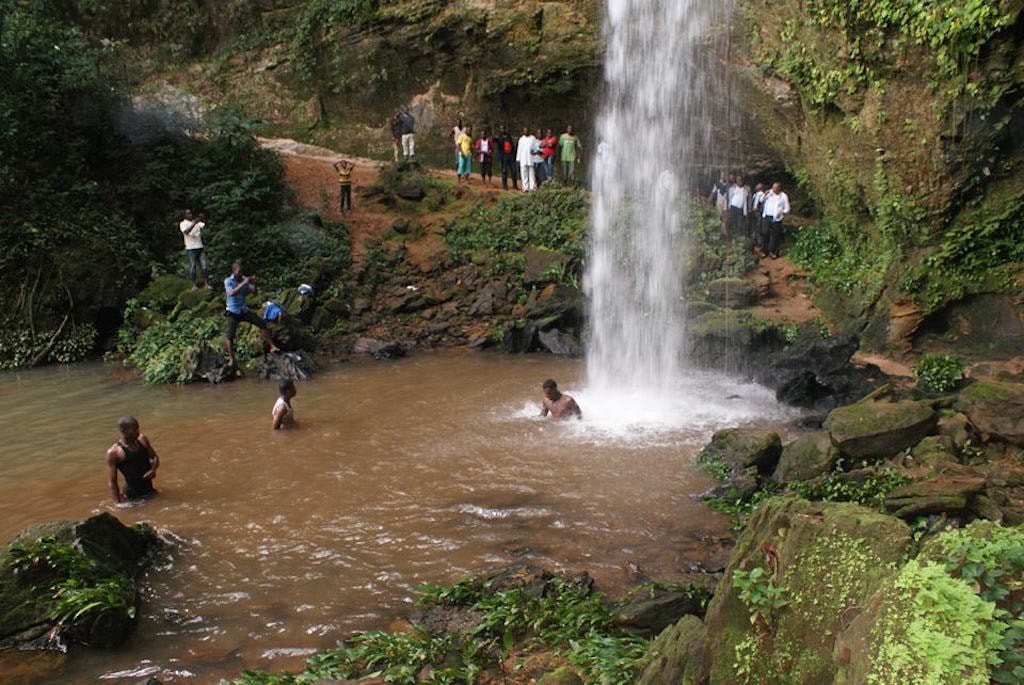
The Ogbunike Caves are found in a valley in the tropical forest of southeast Nigeria, in Anambra State. Descending into the valley is a lengthy walkway of 317 steps, which were constructed by the state government. The cave, has about 10 inner chambers and several tunnels, some of which are interlinked. Several streams also flow into the caves, and another stream within flows out into river Nkissa. The caves have a spiritual significance for the local people, and a festival is celebrated to commemorate the discovery of the caves. Bats are the main occupants of the caves, but other animals can be found in the tropical rainforest vicinity, including antelopes, porcupines, and snakes.
 TRADITION